
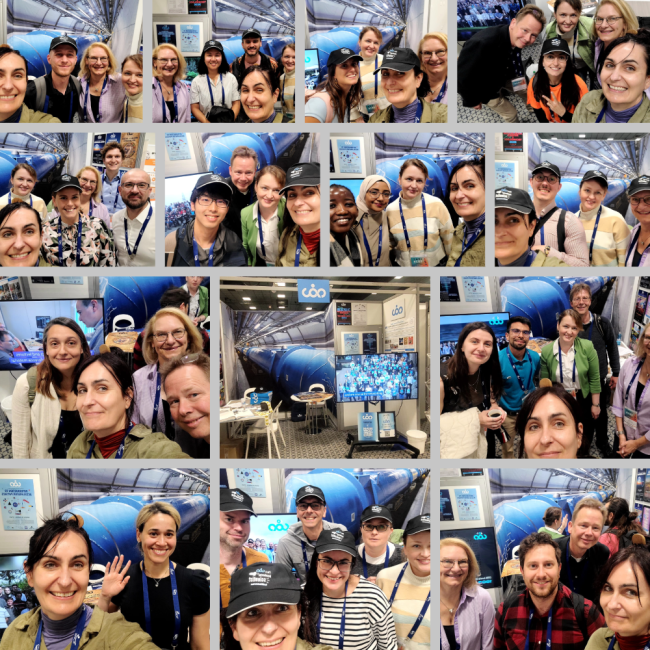
With over 1500 atendees, IPAC is a unique opportunity to explore the latest breakthroughs in accelerator research and development. It is also the premier annual gathering for the global accelerator community, bringing together scientists, engineers, and industry professionals from around the world.
At IPAC26 in Deauville, the CERN Accelerator School had the opportunity to show how the school is changing, not only as a provider of high-level training in accelerator science, but also as a more visible, connected and digitally mature platform for the global community it serves.
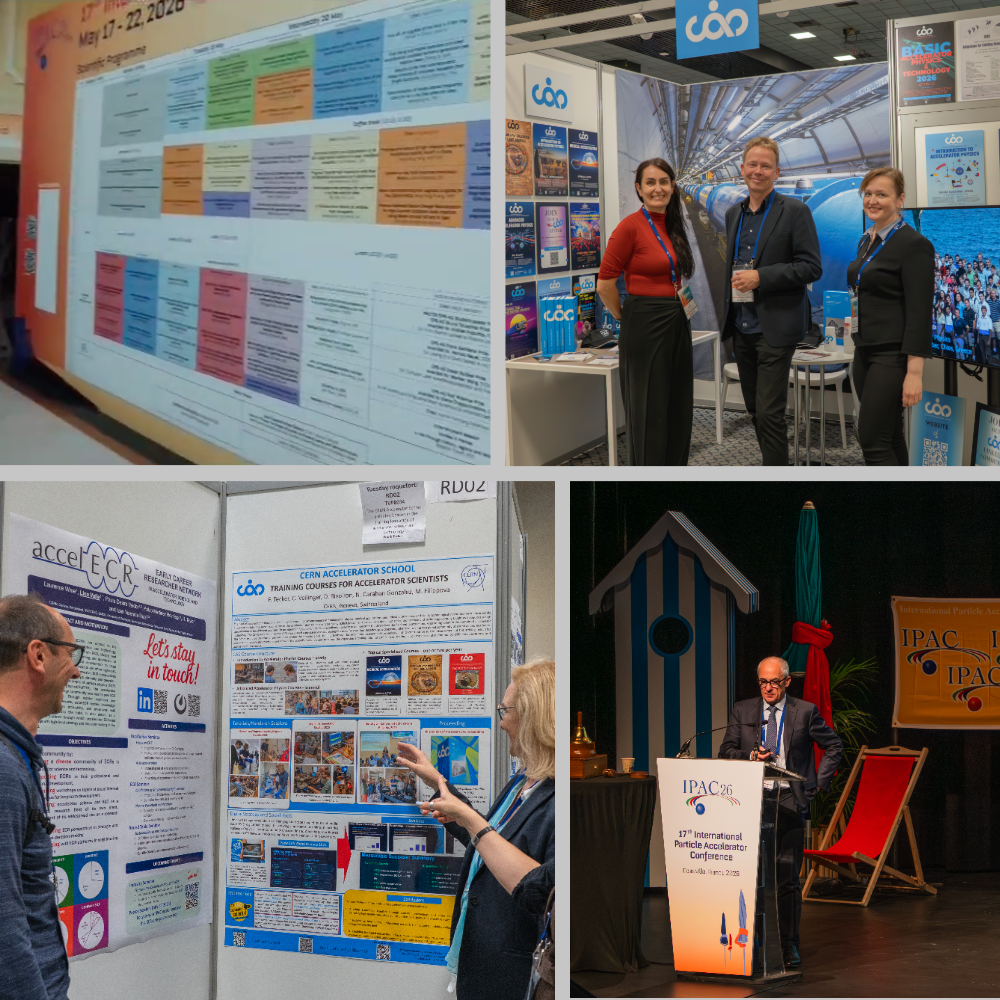
CAS arrived in Deauville with a clear message: its role today extends well beyond the delivery of courses. The school has been working to centralise its knowledge, strengthen its visibility and make its assets easier to find, use and share. That effort has included a redesigned website, improved searchability, a stronger editorial presence, Matomo analytics, newsletter automation, and a more structured LinkedIn strategy. The aim has been simple yet ambitious: to make CAS easier to discover, easier to follow, and more useful to the people who rely on it for training, reference material, and professional connections. In the current digital landscape, where audiences increasingly expect fast access to trustworthy information and reusable content, that evolution is no longer optional; it is essential.
The results are already visible. CAS has seen sustained growth across its digital channels, including a significant increase in LinkedIn followers and stronger website traffic, while maintaining healthy engagement levels. The school’s online presence now works as a connected ecosystem. The website provides course information and access to knowledge, LinkedIn extends the reach of stories and announcements, newsletters help maintain contact with alumni and participants, and the archive of proceedings and video lectures provides the community with long-term reference material. For a specialised school like CAS, that matters.
That digital strategy was very present at IPAC26. We’ve built the booth itself as a practical example of what the school has been doing behind the scenes: reusing materials, producing custom content, and making the most of a limited budget through creativity and teamwork. The setup included reused printed panels, a screen that travelled with the team in the van, and a set of produced videos that helped bring the school’s story to life. The result was a space that felt polished and welcoming, but also efficient and sustainable. More importantly, it reflected the broader logic of CAS communication today: extend assets' lifespan, and connect physical presence with digital visibility.
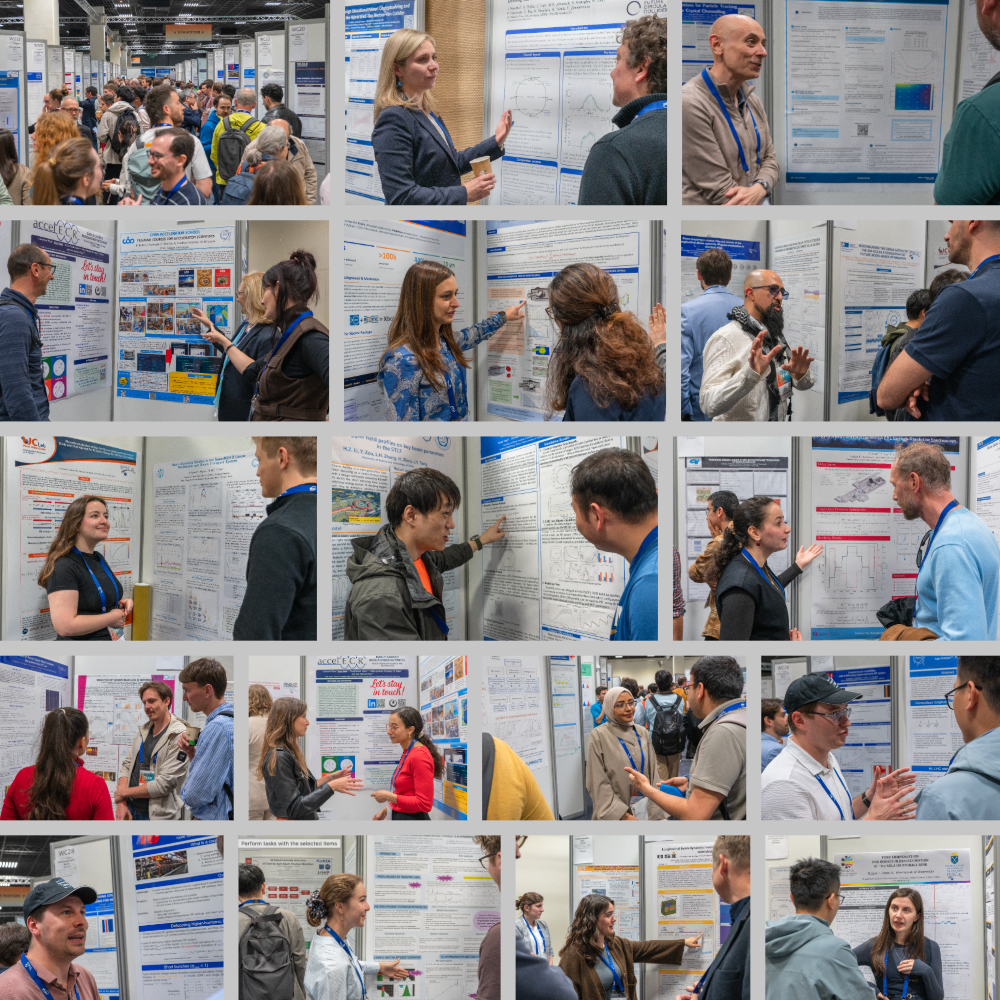
CAS used the space to present both its international footprint and the evolution of its communication model. In a field where opportunities, audiences and educational resources are increasingly moving online, CAS has been adapting by building a communication framework to support both scientific training and community engagement.
One of the most valued resources discussed at the booth was the proceedings. Their popularity at IPAC confirmed once again how important they remain as a long-term reference. Many visitors asked for paper copies, which provided an opportunity to explain that the proceedings are not for sale, but are freely available through the CERN Library and online. In a broader sense, this points to one of the clearest lessons from the school’s digital transformation: content only matters if it can be found, accessed and used. The same applies to the video lectures and historical archive, which are increasingly central to the school’s knowledge base. CAS is no longer simply preserving material; it is actively turning that material into a resource that supports learning, memory and future collaboration.
At the same time, the digital evolution does not replace what makes CAS unique. It complements it. CAS courses are intentionally designed around the value of being in the room together, where in-person teaching, hands-on exercises, direct exchanges, networking and spontaneous conversations create opportunities that cannot be replicated online.
The strength of CAS has always come from this combination: carefully prepared content, intensive residential learning, and the connections that grow naturally from being together.
The human side of IPAC mattered just as much. Alumni, speakers and colleagues from institutes, universities and industry came by throughout the week, turning the booth into a true meeting point for the community.
Our presence at IPAC brings the school closer to its community, strengthens ties with industry and institutions, and gives CAS a platform to show not only what it teaches, but how it is evolving.